
Moissanite Guide
All About Moissanite
Everything you need to know about this brilliant, ethical, and durable gemstone.
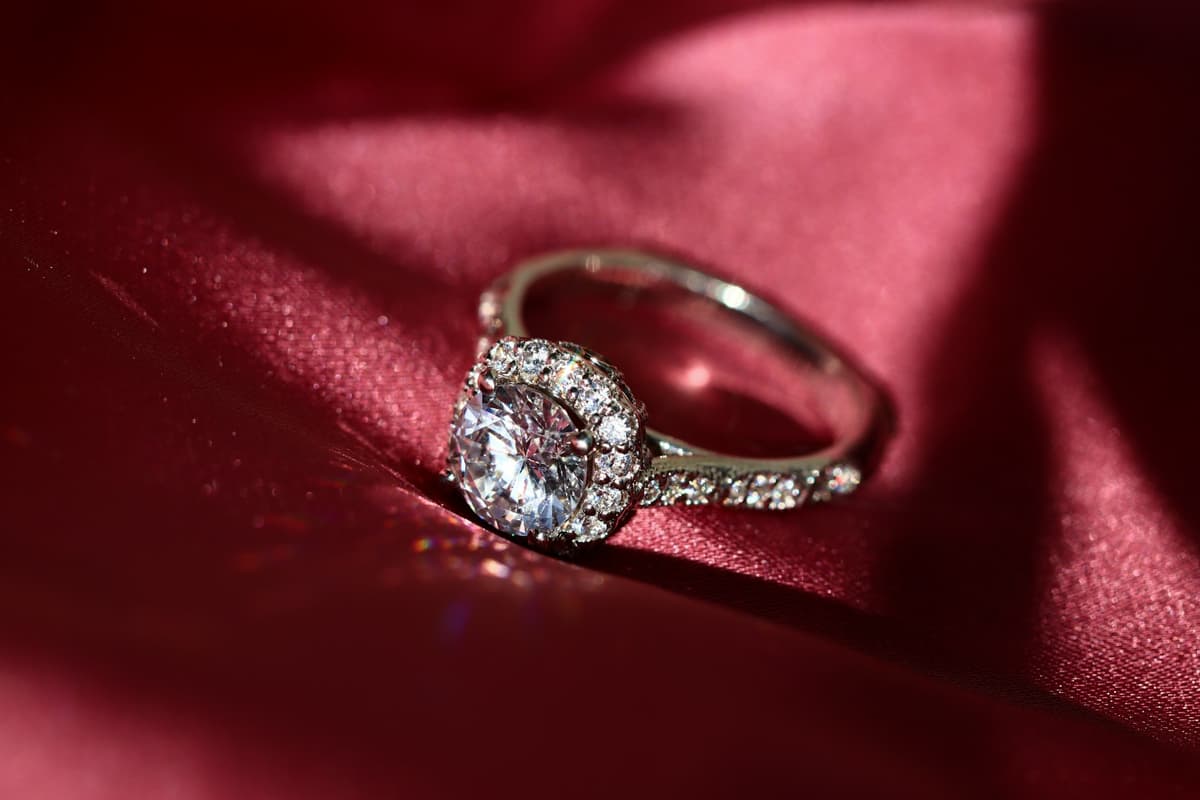
Moissanite is one of the most remarkable gemstones available today. Known for its exceptional brilliance, rainbow fire, and ethical lab-grown origin, it has become a favorite for engagement rings, earrings, and modern heirlooms. This guide explains its origin, chemistry, visual character, care, and what makes it unique so you can shop with total confidence.
Origin
Meteorite discovery
Hardness
9.25 Mohs
Sparkle
RI up to 2.69
Ethics
100% lab-grown
From meteorite dust to modern heirlooms.
Moissanite Origin
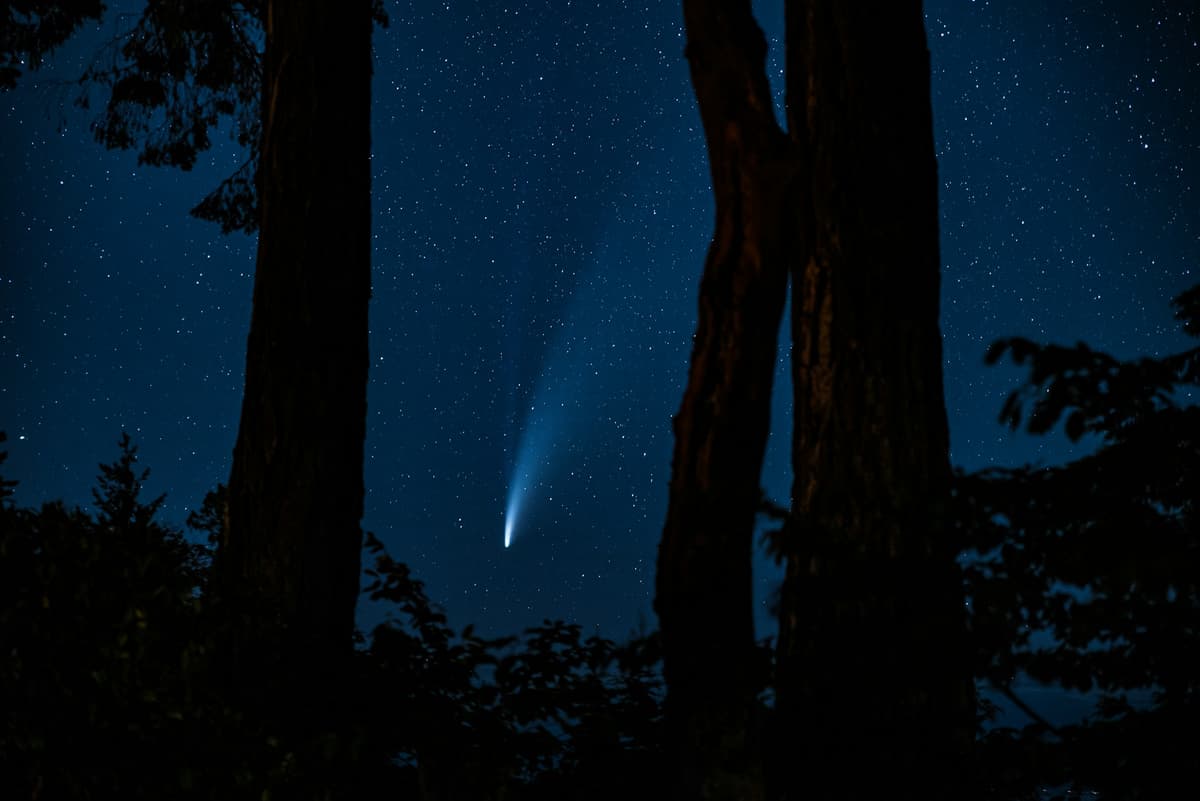
Discovered in 1893 by French chemist Henri Moissan inside Arizona’s Canyon Diablo meteor crater, moissanite first appeared as tiny crystals embedded in meteor fragments. Its diamond-like sparkle initially confused scientists until chemical analysis confirmed the silicon carbide structure.
Because natural deposits are microscopic and incredibly rare, today’s jewelry-grade moissanite is grown in advanced labs. That lab setting allows cutters to achieve larger sizes, consistent clarity, and perfectly calibrated color grades without mining.
Fun fact
The gemstone was initially mistaken for diamond because of its intense brilliance—but its cosmic origin gives it a story all its own.
The science behind the sparkle.
Chemical Composition & Structure
Every gem’s personality starts with its chemistry. Moissanite is pure silicon carbide arranged in a hexagonal lattice, which gives it diamond-level durability and the optical punch jewelers rave about. Use the quick lab sheet below to understand how those traits translate into real-world performance.
| Chemical formula | SiC (Silicon Carbide) |
|---|---|
| Crystal system | Hexagonal |
| Hardness | 9.25 Mohs |
| Refractive index | 2.65 – 2.69 |
| Dispersion (fire) | 0.104 (very high) |
| Specific gravity | 3.21 |
Hard-wearing
9.25 Mohs hardness puts it second only to diamond for jewelry use.
Optical power
A refractive index up to 2.69 bends light dramatically for standout sparkle.
Lab-grown twins
Lab crystals are chemically identical to natural moissanite but arrive perfectly clear.
Why it looks so alive under any light.
Sparkle, Brilliance & Fire
Brilliance
Maximum light return creates a vivid, glassy sparkle even in soft lighting.
Fire
Dispersion pushes rainbow flashes that often outshine diamonds.
Luster
A mirror-like sheen on every facet thanks to the dense crystal structure.
Moissanite reflects and disperses light more vividly than diamonds, which is why you’ll often notice rainbow flashes in both natural and indoor lighting. It’s a favorite for statement pieces that need to photograph brilliantly.
Tough enough for rings, soft enough for heirlooms.
Durability & Everyday Wear
Hardness
9.25 / 10
Second only to diamond, perfect for engagement rings worn daily.
Durability
Excellent
Resists scratches, chips, and color change with normal wear.
- Great for lifestyle-proof jewelry: gym sessions, travel, and dish duty
- Suitable for rings, earrings, necklaces, bracelets, and anklets
- Retains polish for decades, keeping facets crisp
Choose the tone that matches your style.
Color & Clarity
DEF colorless
Closest to icy white diamonds with no detectable warmth.
Near-colorless
A whisper of warmth that still keeps the stone bright and brilliant.
Fancy hues
Limited releases in champagne, green, or blush tones.
Because moissanite is lab-grown, clarity typically falls in the VS range or higher. That means eye-clean stones that look flawless without the premium price tag that diamond clarity grades demand.
Sparkle without compromise.
Ethical & Sustainable Benefits
Because moissanite is grown inside modern labs, it avoids the heavy earth moving, water usage, and complex supply chains that come with mining. Every stone is traceable from furnace to finger, so you can celebrate a proposal or self-purchase knowing the gem didn’t create hidden harm along the way.
Lab-grown
No mining required—made in controlled facilities.
Conflict-free
Traceable origin for complete peace of mind.
Lower footprint
Reduced water and carbon impact versus mined stones.
Design-ready for every style.
Popular Jewelry Uses
From heirloom-inspired solitaires to trend-forward chandelier earrings, moissanite’s balanced hardness and megawatt brilliance make it a designer favorite. These are the categories where it truly shines.
Engagement Rings
Solitaire, halo, vintage, and toi et moi settings showcase moissanite’s center-stage sparkle.
Earrings
Studs and chandelier styles stay bright and crisp, even at petite sizes.
Necklaces
Pendants highlight larger stones and modern geometry.
Bracelets
Tennis bracelets and line bracelets deliver continuous sparkle with minimal maintenance.
Simple routines keep the fire alive.
Care & Maintenance
Care checklist
- Clean with warm water, mild soap, and a soft brush once a month.
- Avoid bleach, acetone, or abrasive cleaners that could dull the metal setting.
- Store pieces separately or in soft pouches to keep prongs pristine.
- Schedule a professional checkup annually to tighten prongs and polish the band.
Quick tip: mix a drop of dish soap with warm water, soak for 10 minutes, then brush gently. Finish with a microfiber cloth for instant sparkle.
Party-ready talking points.
Fun Facts
Need a quick story for dinner conversations? These bite-sized facts show why moissanite fascinates gemologists and modern couples alike.
Discovered by Henri Moissan in a meteor crater in 1893.
Sometimes nicknamed the star-born gemstone thanks to its cosmic origin.
Used by ethical designers who want statement sparkle without mined stones.
Lab-grown moissanite is chemically identical to rare natural crystals, but much clearer.
Discover moissanite jewelry
Experience the sparkle for yourself.
Enjoy unmatched brilliance, durability, and ethical peace of mind. Whether you're searching for an engagement ring, earrings, or everyday sparkle, moissanite gives you luxe looks without the compromise.